If you are thinking about buying a rental in Homestead Hills, the numbers can look promising at first glance, but this is a neighborhood where details matter. You want a property that rents well, holds value, and makes sense after the real monthly costs are on paper. This guide will help you understand what makes Homestead Hills different, where the rental potential stands today, and what to verify before you move forward. Let’s dive in.
Homestead Hills at a Glance
Homestead Hills is a Thornton neighborhood in Adams County near Colorado Boulevard and East 136th to East 140th Avenue. The HOA describes it as a community of 272 homes established in 1985, with a community park and trails. The metro district also notes that the service area is entirely within Thornton.
For investors, that local setup matters because Homestead Hills is not just a simple plug-and-play rental pocket. It has neighborhood-specific costs and property variations that can change your numbers more than you might expect. That is why this area rewards careful underwriting, not quick assumptions.
Homestead Hills Pricing Looks Higher-End
As of March 31, 2026, Zillow shows the Homestead Hills home value index at $667,864. That figure is down 3.8% year over year, but it still places the neighborhood well above Thornton’s citywide median listing price of $495,000 reported by Realtor.com. Based on those figures, Homestead Hills sits roughly 34.9% above the city median.
That price gap suggests Homestead Hills is a higher-priced submarket within Thornton. If you are shopping here as an investor, you are likely not targeting a low-entry-cost rental strategy. You are looking at a neighborhood where purchase price can be substantial, and that affects your return profile from day one.
Home Types Vary More Than You Might Expect
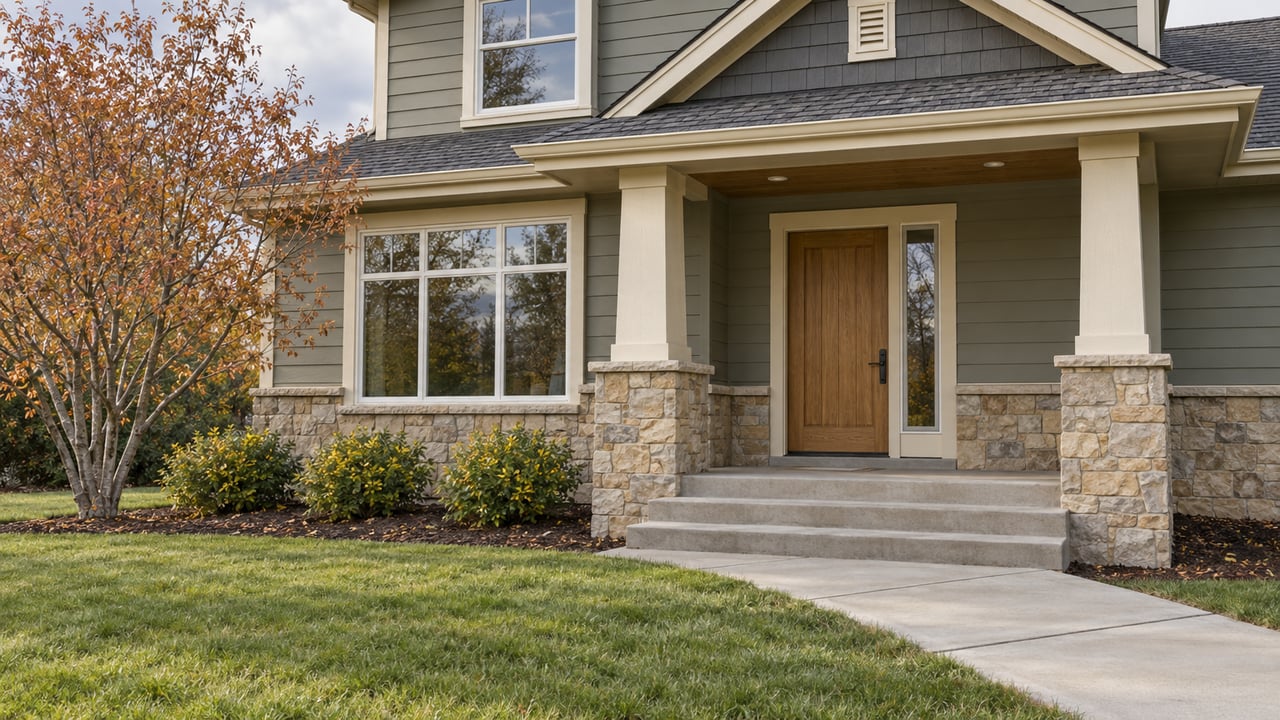
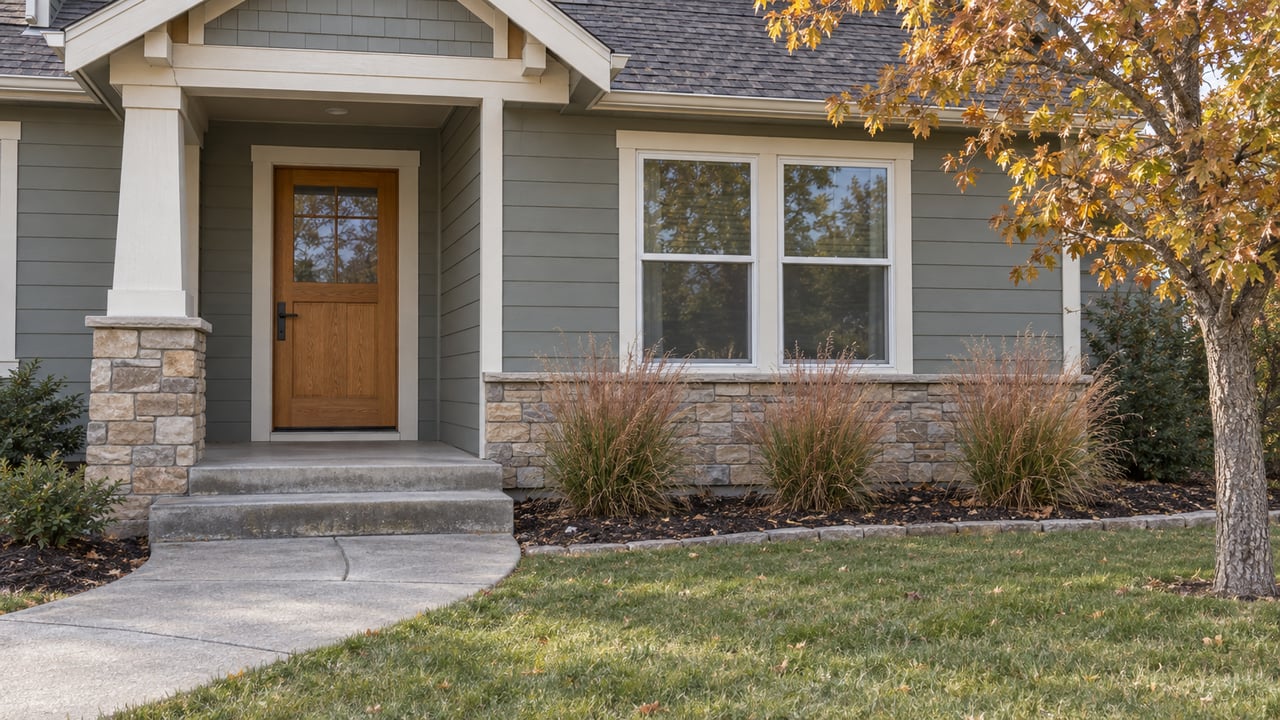
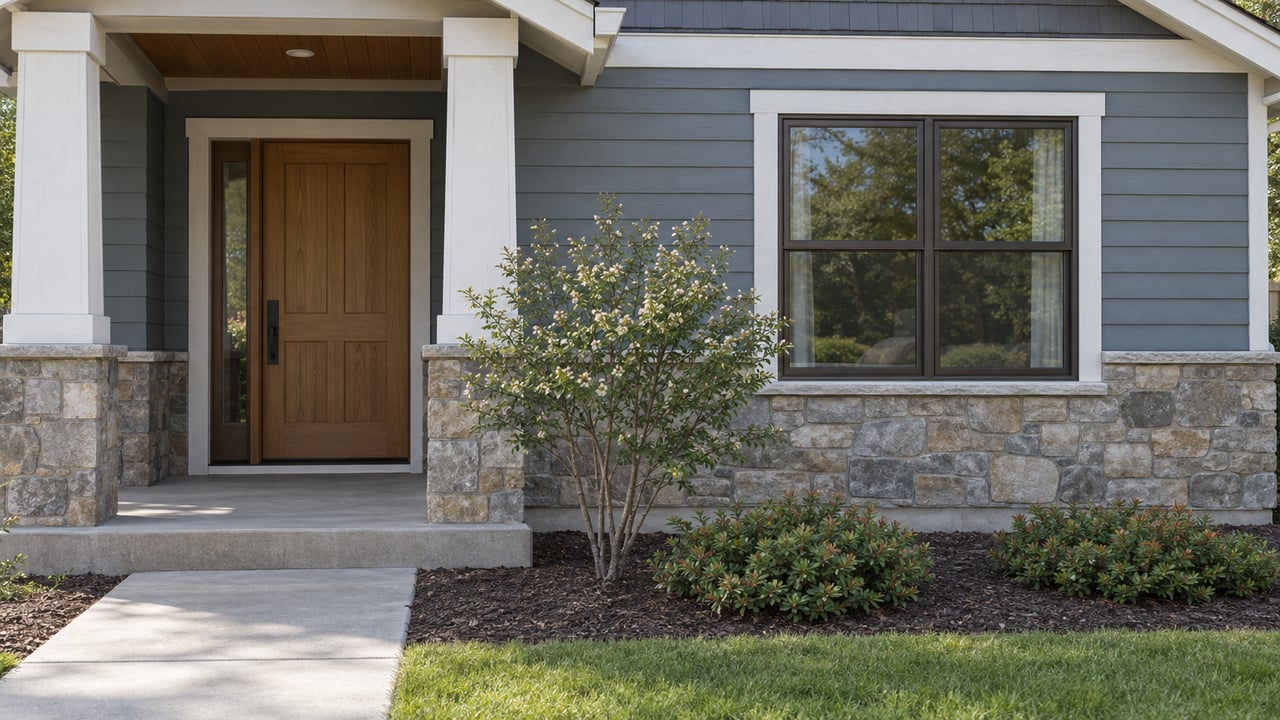
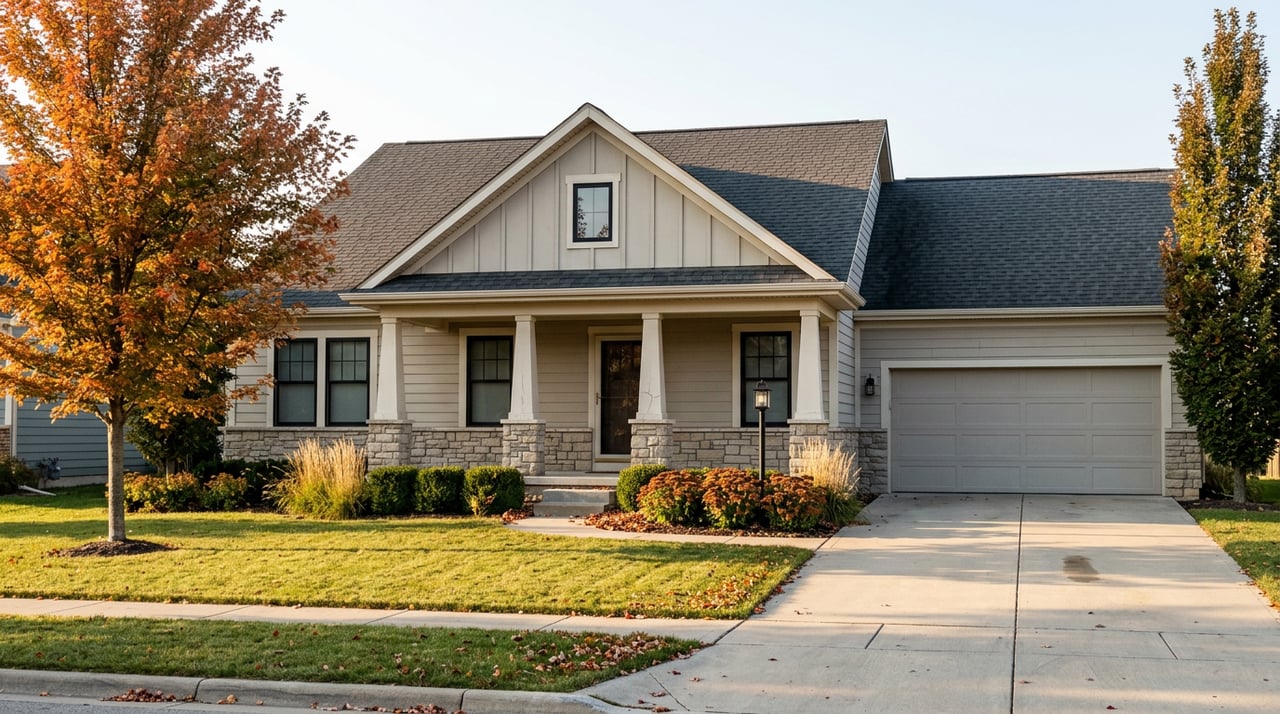
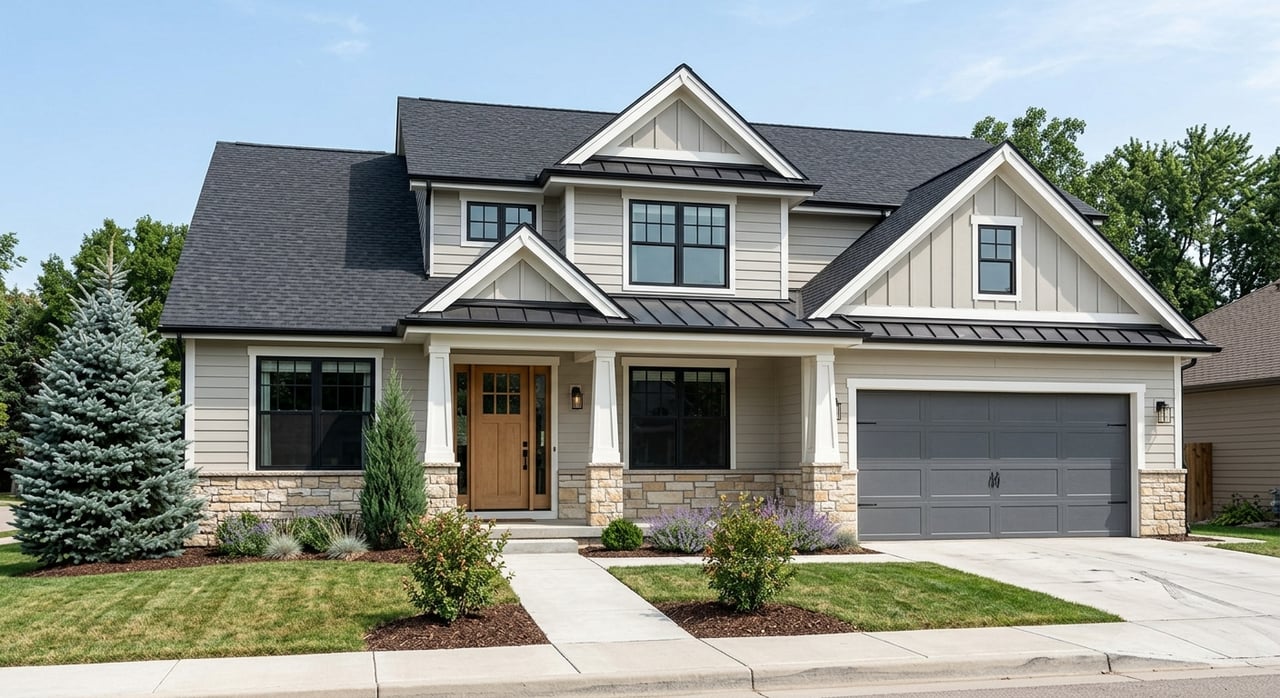
One of the most important things to know is that Homestead Hills does not appear to be a one-size-fits-all neighborhood. While the HOA broadly describes the community as single-family homes, current records also show rentals and sales involving paired-home or duplex-style homes and townhomes. That means property type can vary from one address to the next.
This matters because rent potential, resale appeal, and monthly expenses can all differ by subtype. A paired home may offer a lower purchase price and better yield, while a larger detached home may offer stronger long-term appreciation appeal but lower cash flow. Before you run numbers, verify the exact property type and any parcel-specific HOA or district obligations.
Recent Sale Prices Show a Wide Range
Recent sold listings point to a broad price band inside the neighborhood. Smaller paired or entry-level homes have recently sold around $461,300 to $552,000. Larger single-family homes have sold around $665,000 to $800,000.
That spread is a big clue for investors. Two homes in Homestead Hills can produce very different returns depending on size, layout, and finish level. If you are comparing deals here, avoid applying a single neighborhood average to every property.
Rental Rates Appear Solid for Thornton
Rental pricing in and around Homestead Hills looks stronger than the broader Thornton market. Realtor.com reports a citywide Thornton median rent of $2,330, while the 80602 ZIP median rent is $2,750. Based on current rental examples, Homestead Hills appears to sit above both.
Zillow shows a small number of neighborhood rental examples, including a 4-bedroom, 3.5-bath, 2,106-square-foot house listed at $3,045 per month. Other neighborhood examples include a 3-bedroom house at $2,695 per month and a 3-bedroom townhome at $3,100 per month. Nearby rentals outside the neighborhood boundary range from about $2,650 to $4,900 depending on size.
The catch is sample size. Active inventory is very limited, so these numbers are useful signals, not a full rental survey. In a small-inventory neighborhood like this, one or two listings can skew your expectations.
What Gross Yield Looks Like
Using recent Zillow sale and rent examples, gross yield in Homestead Hills appears to range from the high 5% range to about 8% before expenses. For example, a $410,000 paired home with an estimated rent of $2,736 pencils out to about 8.0% gross yield. Larger single-family homes around $750,000 to $767,500 with estimated rents of $3,564 to $4,026 land closer to roughly 5.9% to 6.3%.
That does not mean every deal will fall neatly into those bands. These are inferences based on listing data, not a full operating model. Still, they help frame the neighborhood: Homestead Hills looks more like a moderate-cash-flow, long-term-hold area than a bargain-yield play.
Carrying Costs Can Change the Story
This is where many investors can get tripped up. In Homestead Hills, purchase price is only part of the picture. Taxes, district charges, insurance, repairs, and vacancy assumptions can quickly narrow your margin.
Adams County says real property is revalued every odd-numbered year, and property taxes are calculated by applying the applicable mill levy to assessed value. That means tax estimates should be checked on the exact parcel, not borrowed from another listing down the street.
The neighborhood also has a metro district layer. According to the district, it provides landscaping, storm drainage, streets, parks, and covenant enforcement and design review. Its 2025 budget shows a $150 quarterly district fee for landscape maintenance, along with mill levies of 52.000 mills for operations and 59.261 mills for debt service.
On top of that, at least one recent listing reported a $50 monthly HOA fee that covered maintenance grounds, snow removal, trash, and park or playground amenities. The key issue is that a property may have charges through the HOA, the metro district, or potentially both. You need to confirm that for the specific address before making an offer.
Recent public tax histories on roughly $700,000 Homestead Hills homes show annual property taxes of about $3,914 to $4,963. Using those tax samples plus the official district fee, a roughly $700,000 home may carry about $376 to $464 per month in taxes plus district fee before you even add insurance and repairs.
Why Conservative Underwriting Matters Here
Homestead Hills can work well as a rental, but this is not the kind of neighborhood where you should stretch assumptions. Because rental inventory is small and property charges can vary by parcel, a conservative approach is the safer move.
A practical underwriting checklist includes:
- Use realistic rent, not best-case rent
- Budget for vacancy, even if demand looks healthy
- Confirm property taxes on the exact parcel
- Verify HOA fees, metro district fees, or both
- Estimate insurance based on the actual property
- Include maintenance and repair reserves
- Review whether the home type affects rent demand and resale
The broader Thornton market does support a long-term demand story. Thornton’s draft 2024 housing needs assessment says the city’s population grew 19.4% from 2012 to 2022, and the homeownership market faces a deficit of 9,016 units. That does not guarantee performance for any one rental, but it does support the case for ongoing housing demand in the trade area.
Who Homestead Hills May Fit Best
Homestead Hills may make the most sense for investors who want a stable North Denver suburb location and are comfortable with a moderate-cash-flow profile. If your goal is to chase the highest possible yield, this neighborhood may feel too expensive relative to rent. If your goal is to buy in a higher-priced Thornton pocket with above-market rents and neighborhood amenities like park space and trails, it may be worth a closer look.
It may also appeal to investors who want flexibility across property types. With paired homes, townhomes, and larger detached homes in the mix, you may be able to match your strategy to your budget more easily than in a neighborhood with only one product type. The tradeoff is that you have to analyze each property on its own terms.
A Smart Next Step Before You Buy
Before you commit to a Homestead Hills rental, make sure your numbers are built around the exact address and not just the neighborhood name. In this pocket of Thornton, parcel-specific costs can have a real effect on monthly performance. A deal that looks solid on a quick search can look very different once taxes, district fees, HOA dues, and realistic rent are fully accounted for.
If you want help evaluating a property in Homestead Hills or comparing this neighborhood to other rental options in Thornton, Westminster, or nearby North Denver suburbs, Jackie Roacho can help you sort through the numbers and the neighborhood details with a local, practical approach.
FAQs
What is the typical home price range in Homestead Hills?
- Recent sold listings show smaller paired or entry-level homes around $461,300 to $552,000, while larger single-family homes have sold around $665,000 to $800,000.
What are rental rates like for Homestead Hills properties?
- Current examples include neighborhood rentals around $2,695 per month, $3,045 per month, and $3,100 per month, though active inventory is limited.
Is Homestead Hills a high-cash-flow rental market?
- Based on recent listing data, Homestead Hills looks more like a moderate-cash-flow, long-term-hold neighborhood than a bargain-yield market.
What extra costs should investors check in Homestead Hills?
- You should verify parcel-specific property taxes, metro district fees, any HOA dues, insurance, repairs, and vacancy assumptions before underwriting a deal.
Why does parcel verification matter in Homestead Hills?
- Property type and recurring charges can vary within the neighborhood, so two homes may have very different expenses and return profiles even if they are close to each other.