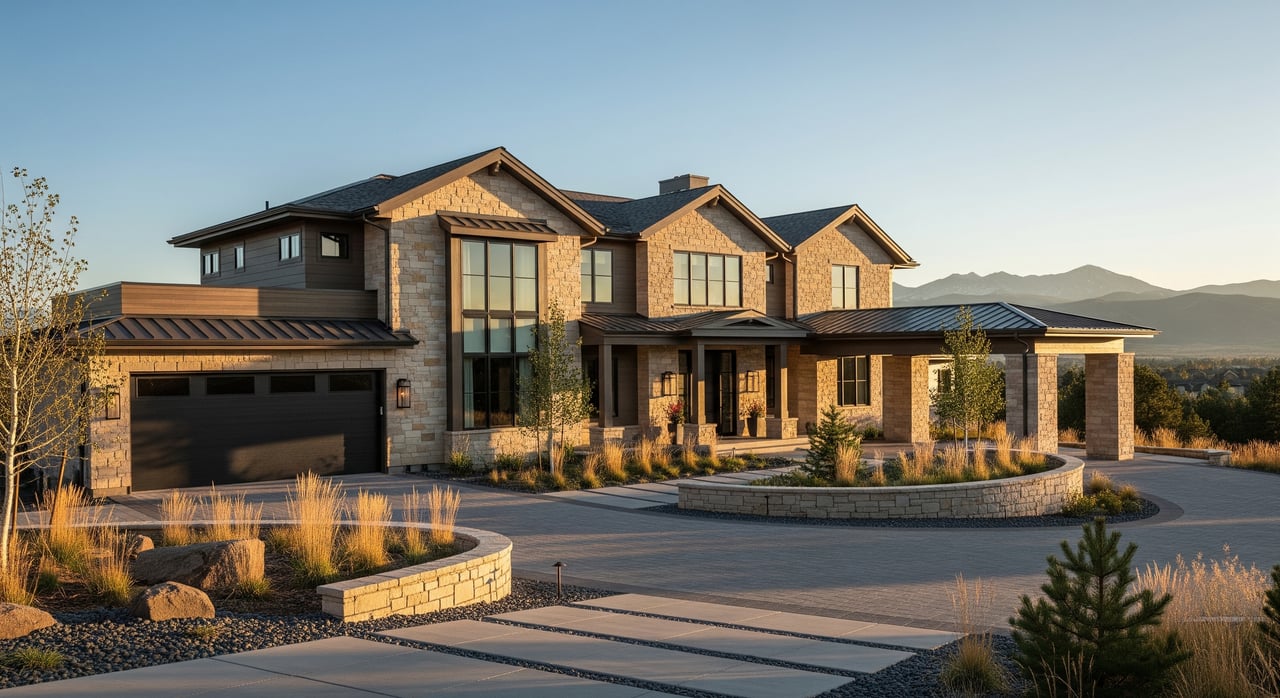
Are you trying to decide if Sage Creek is the right place for your first home? You want enough space, manageable monthly costs, and the confidence that you’re buying in a neighborhood that fits your plans. This guide breaks down what to expect in Sage Creek, the questions to ask before you write an offer, and how to compare it to nearby North Denver options. Let’s dive in.
What and where is Sage Creek?
Several Colorado neighborhoods share the name “Sage Creek.” In Adams County, the development you’re considering is likely a master‑planned or tract community built in phases with an HOA and common‑area amenities. Before you get too far, verify the exact neighborhood boundary and jurisdiction. Use the county assessor, neighborhood map in your MLS search, and the HOA or developer documents to confirm school district, property taxes, and any metro district.
This step matters because jurisdiction affects your utility providers, permitting rules, and potential special district taxes. School assignments also depend on exact address. Always check the district’s attendance map rather than relying on third‑party websites or word of mouth.
Quick snapshot for first‑time buyers
Sage Creek typically offers a mix of new or near‑new homes, sidewalks, small parks, and HOA‑maintained common spaces. You will likely see attached townhomes, paired homes, and single‑family options in a range of sizes. The tradeoff you should weigh is simple. You can often get more interior space and a yard than in more central, walkable neighborhoods, but you should verify commute patterns and future construction nearby.
Housing types you can expect
Townhomes and other attached homes
Townhomes are often the most budget‑friendly entry point. They can keep exterior maintenance lighter, which helps if you prefer a simpler upkeep routine. Check the HOA to see what is covered, such as exterior maintenance, roof, landscaping, snow removal, or utilities.
Paired or duplex homes
Paired or zero‑lot‑line homes give you some private outdoor space at a lower price point than many detached homes. They can be a good bridge between a townhome and a full single‑family house. Review party wall agreements and any shared maintenance rules in the covenants.
Single‑family detached homes
Detached homes range from compact ranch plans to larger two‑story layouts with basements. You will want to compare lot sizes, finishes, and potential property tax differences. Ask your agent to pull recent comparable sales for the specific floorplans you like, not just the neighborhood median.
New construction vs. resale
New builds offer builder warranties, modern layouts, and energy‑efficient features. They also can come with higher base prices, lot premiums, and builder fees. Resale homes may offer negotiation room, established landscaping, and faster move‑in timing. If you plan upgrades or changes, review HOA architectural rules before you buy.
Affordability: how to run the numbers
Focus on total monthly cost, not just purchase price. Build a realistic picture of your payment and ongoing expenses.
- Mortgage principal and interest based on your loan type and rate
- Property taxes from the county assessor and any metro or special district charges
- Homeowners insurance
- HOA dues and any known assessments
- Utilities and typical maintenance
Ask your agent to pull 6 to 12 months of recent neighborhood sales and current listings by housing type. Use that to frame a budget, then get a lender preapproval. Many first‑time buyers in Colorado use conventional loans with 3 to 5 percent down, FHA financing, or state and local down payment assistance. Confirm eligibility with the Colorado Housing Finance Authority or a trusted local lender.
HOA and covenants to review
A strong HOA can protect property values, but you should understand the rules and costs before you commit.
- Fee structure and inclusions. Find out what dues cover and how often they are collected. Look for exterior maintenance, landscaping, snow removal, amenities, and whether trash or water are included.
- Reserves and assessments. Review the HOA budget, reserve study if available, and recent meeting minutes. A well‑funded reserve lowers the risk of large surprise assessments.
- Architectural rules. Check the architectural review guidelines for paint colors, fences, decks, sheds, and exterior materials. If you hope to add a patio or garden beds, confirm what is allowed and how approvals work.
- Rental restrictions. If you plan to rent the home or a room in the future, look for language on long‑term and short‑term rentals.
- Governance and management. Professional management often brings predictability but can add management fees. Volunteer boards vary in responsiveness.
Request the full HOA resale package during your contract period. That should include bylaws, CC&Rs, current budget, insurance certificate, meeting minutes, and any pending litigation or assessments.
Construction and future development
Many phased neighborhoods have ongoing or planned construction. That can mean temporary noise and traffic but also new amenities at buildout. Check the city or county planning department for approved plats, active building permits, and any planned commercial or roadway projects nearby. Ask about the developer’s timeline and whether future phases could change density or add amenities.
Sage Creek vs. nearby North Denver options
When you compare Sage Creek to more central or older neighborhoods, look at more than list price.
- Entry point and space. Newer suburban areas often offer larger floorplans and yards at a lower cost per square foot than central, walkable locations. Confirm with recent MLS data by property type.
- Commute and lifestyle. Central neighborhoods can reduce commute time and improve walkability to shops and restaurants. Suburban communities typically trade a longer drive for newer homes, garages, and planned parks.
- Schools and services. Established areas have mature infrastructure. Newer areas may have newer facilities but changing attendance zones. Always verify school assignment with the district map.
- Resale dynamics. Demand and appreciation depend on location, nearby inventory, school assignment, and proximity to employment. Ask for neighborhood‑level metrics like days on market, absorption rate, and price per square foot by home type.
Who Sage Creek fits best
Sage Creek can be a strong fit if you:
- Want a newer or near‑new home with modern layouts and a garage.
- Prefer HOA‑maintained common areas and lighter exterior upkeep.
- Value more interior space and a yard over a short walk to a historic or downtown core.
You may prefer to look elsewhere if you:
- Prioritize walkability to a dense restaurant and retail district.
- Want few or no HOA rules.
- Need a specific school assignment that may not align with Sage Creek. Verify with the district.
Smart next steps and checklist
Use this checklist to move from browsing to confident action.
- Confirm the exact neighborhood boundary, jurisdiction, and school assignment through the county assessor and district map.
- Get lender preapproval so you know your budget and monthly payment range.
- Ask for 6 to 12 months of sold comps and active listings in Sage Creek by housing type and floorplan.
- Request the full HOA resale package and read the CC&Rs, budget, reserves, meeting minutes, rental rules, and pet policies.
- Check county tax records for any metro district or special assessments tied to the address.
- Review city or county planning portals for nearby permits and future phases that could affect traffic, noise, or amenities.
- Visit the neighborhood at different times to gauge traffic, parking, and overall activity.
- Talk to neighbors or local community groups about snow removal, HOA responsiveness, and amenity use.
- Budget for near‑term maintenance, furnishings, and a cushion for possible HOA assessments.
If you want a hands‑on local guide to pull comps, explain financing options, and help you review the HOA package, you do not have to figure this out alone. Reach out to schedule a conversation with Jackie Roacho for clear next steps tailored to your goals in North Denver and Adams County.
FAQs
What should I budget for HOA dues in Sage Creek?
- Dues vary by property type and amenities. Request the current fee schedule, review recent increases in the HOA budget, and verify what services are included.
How do I check for metro or special district taxes in Sage Creek?
- Look up the property on the county assessor site to see all taxing authorities, then include any metro district charges in your monthly payment estimate.
Can I add a deck, fence, or new paint color?
- Most changes require architectural approval. Review the HOA’s architectural guidelines for allowed materials, colors, height limits, and the approval process.
Is new construction or resale better for a first‑time buyer?
- New builds offer warranties and modern features but can carry higher upfront costs; resales may offer negotiation room and faster move‑in. Compare total monthly cost and timing.
How do I compare Sage Creek to other North Denver neighborhoods?
- Ask for neighborhood‑level MLS data by home type, map commute patterns, verify school assignments, and compare HOA rules and dues side by side.
Will resale be strong if I buy in Sage Creek?
- Resale depends on long‑term demand, nearby inventory pipeline, school assignment, and proximity to employers; review days on market and absorption for similar homes before you buy.