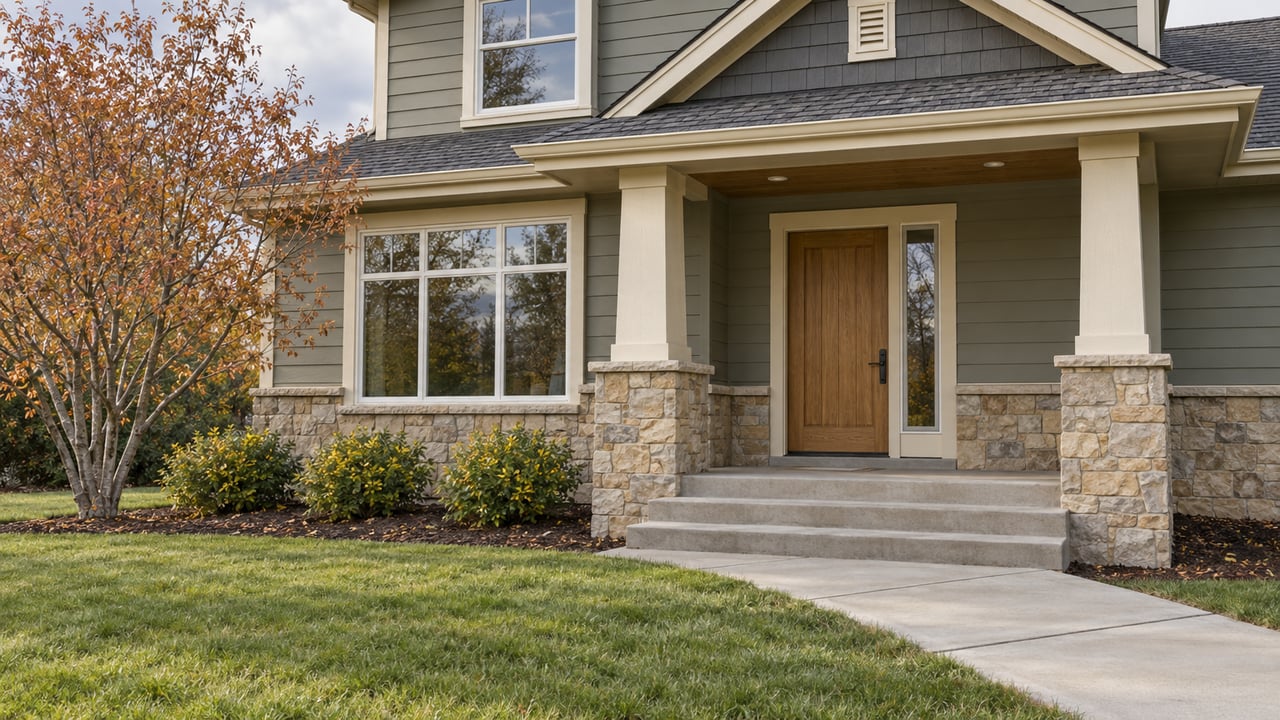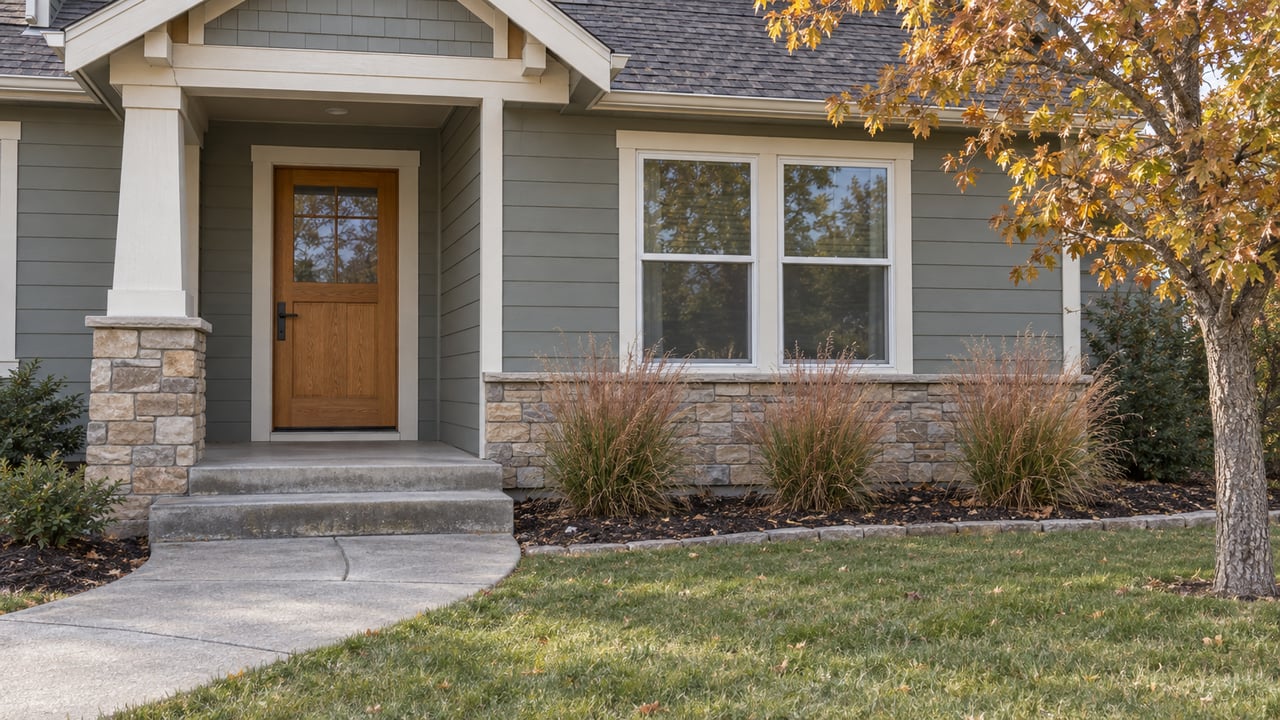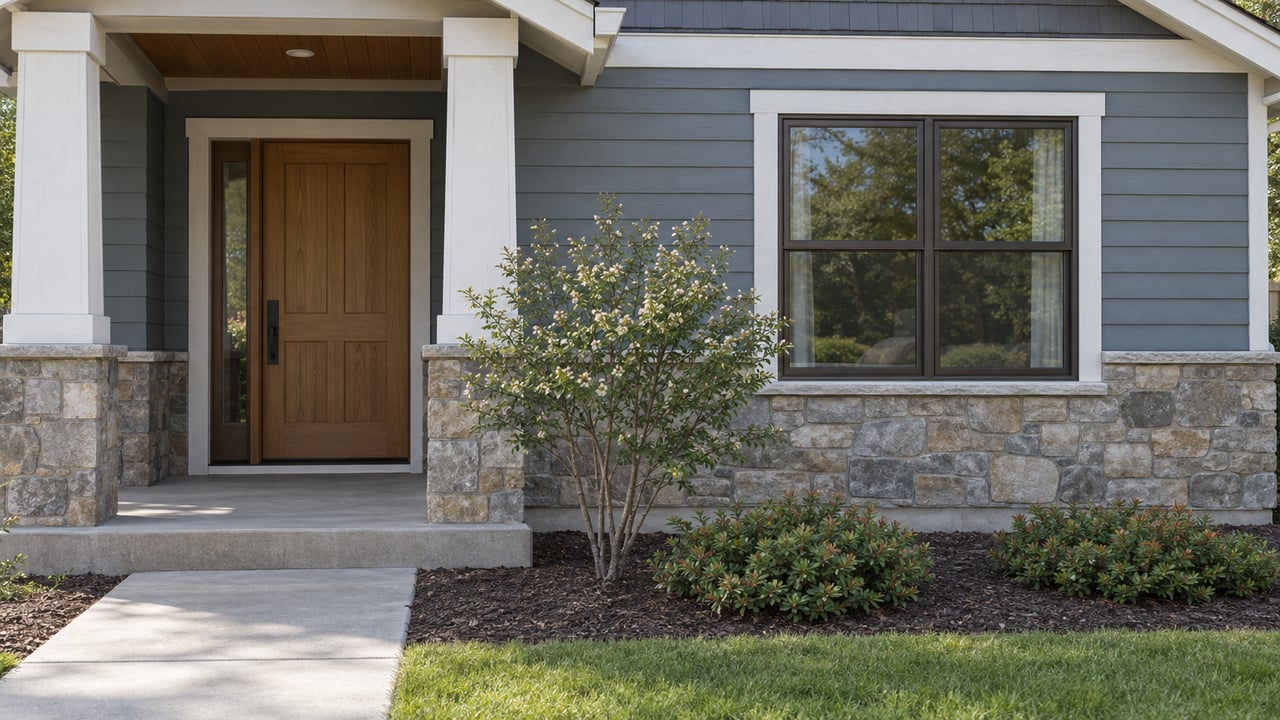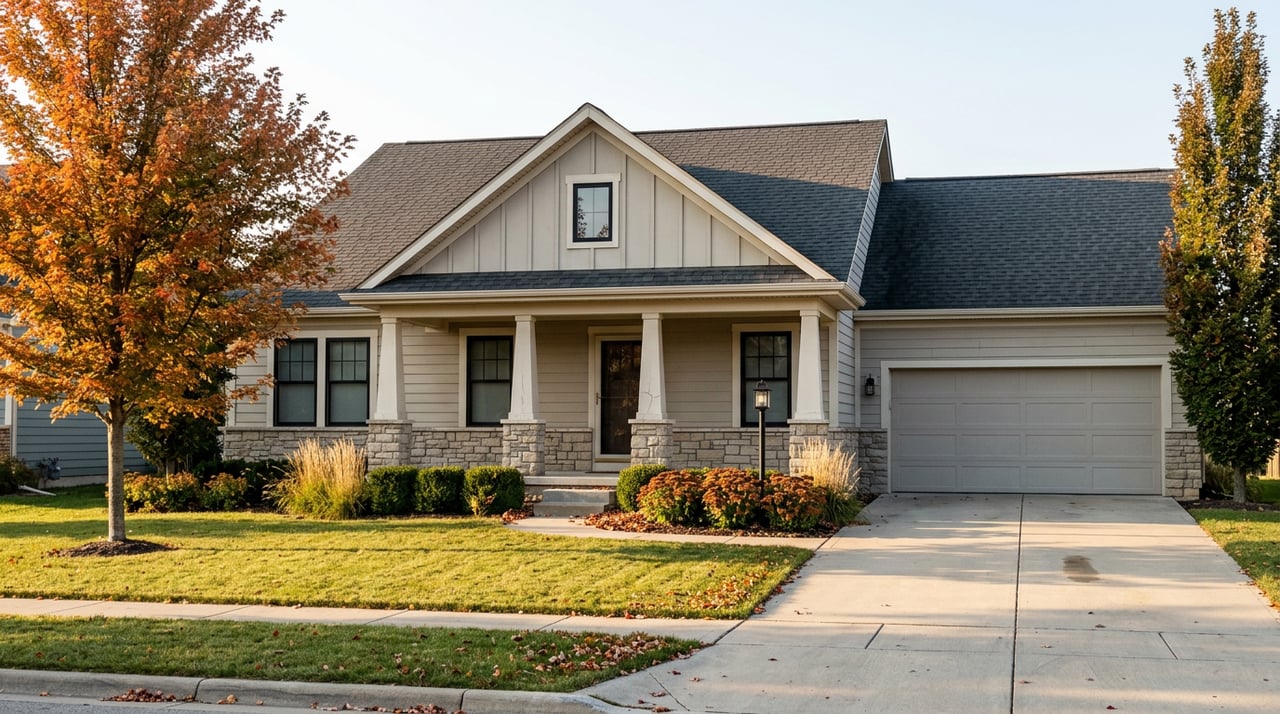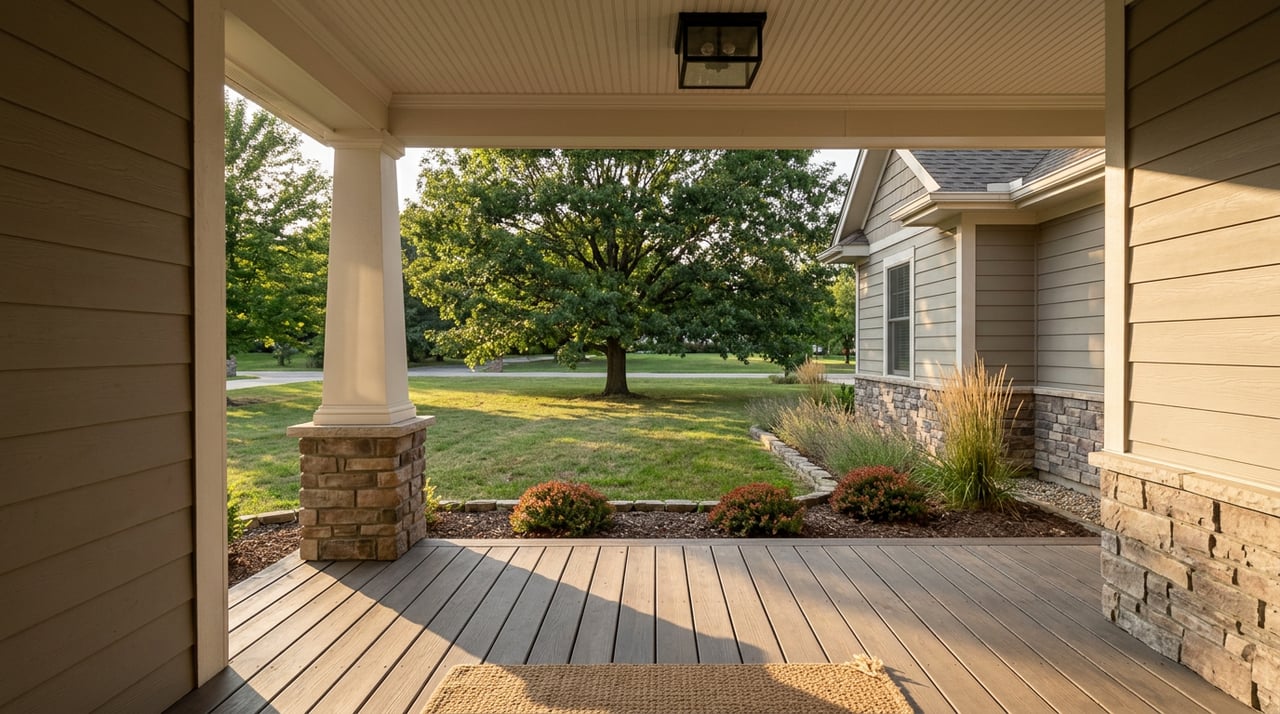
Most Thornton subdivisions grew in stages: a phase of homes one year, another phase five years later, so the housing stock ages unevenly, roof by roof, furnace by furnace. The Villages at Riverdale didn't grow that way. Nearly all 538 homes in this Thornton community, clustered around East 128th Avenue and Tamarac Street, went up during a single eleven-year stretch between 2005 and 2016. That means the neighborhood isn't aging house by house. It's aging as a group, and the inspection reports landing on agents' desks this year are starting to reflect it.
If you're buying or selling here in 2026, that matters more than the square footage on the listing sheet.
A Subdivision That Went Up in One Wave
The Villages at Riverdale is a mix of two-story, three-story, and ranch floor plans, most with a basement and some with a walkout, running roughly 1,400 to 2,600 square feet above grade. It's the kind of tidy, well-kept community that draws steady interest from buyers looking for value in the Thornton area, and Adams Hollow Disc Golf Course sits about 2.5 miles away for anyone who wants a landmark to orient by.
What sets it apart isn't the floor plans. It's the timeline. Because the entire subdivision filled in over roughly a decade, the homes here don't have the staggered systems ages you'd find in a neighborhood built across three different decades. A buyer touring five listings in the Villages this fall is effectively comparing five homes with roofs, furnaces, and water heaters installed within a few years of each other. That's useful information, and it's also the reason inspection findings that would look like bad luck in a mixed-vintage neighborhood are becoming a pattern here.
What 10 to 21 Years Old Actually Triggers
Do the math from today and the homes in this community are somewhere between 10 and 21 years old. That range matters because Thornton inspectors who work this market have flagged it directly, without hedging by neighborhood: homes reaching this age are the ones where roofs, furnaces, and sewer lines start requiring a closer, more deliberate look during a pre-purchase inspection.
That guidance wasn't written about the Villages at Riverdale specifically. It didn't need to be. Because this subdivision filled in over one tight decade rather than three, the entire community crossed into that closer-look age range at roughly the same time. A buyer touring five listings here this fall isn't comparing five houses with staggered systems histories. They're comparing five houses that all reached the same maintenance checkpoint within a few years of each other.
The Second Clock: Soil, Not Just Age
Systems wear on a predictable schedule. Foundations in this part of the Front Range don't, and that's worth separating clearly from the age story above.
Thornton sits on expansive clay soil, some of it locally described as Denver Blue Bentonite, that swells when it absorbs moisture and shrinks as it dries. That cycle puts recurring pressure on foundations, basement walls, and slabs regardless of how old the house is. Andrew Sams, a Certified Master Inspector who runs a Denver-area inspection firm, has pointed out that when foundation movement shows up during a Denver-area inspection, "the cause is not construction defects or aging materials." It's the ground the house sits on.
That distinction matters for anyone reading an inspection report with alarm. A stair-step crack or a sloped floor isn't automatically evidence that a home was built poorly. It's often evidence that the soil beneath it is doing what Front Range soil does. The follow-up question isn't whether movement exists. It's whether the movement is cosmetic or affects load-bearing elements, and that distinction is exactly why a general home inspection sometimes needs a second opinion from a structural engineer.
That second opinion has a real cost, and it's worth knowing the range before you're mid-negotiation. A standard visual foundation inspection runs $300 to $800. A licensed structural engineer performing an instrumented evaluation with a stamped report typically bills $150 to $350 per hour. A full-scope inspection with elevation mapping and soil testing can run $1,000 to $2,500 depending on the size of the home and how much access the site allows.
Where the Build Cohort Sits Right Now
| System | What inspectors are watching for | Why the 10 to 21 year mark matters here |
|---|---|---|
| Roof | Wear consistent with two decades of Colorado weather | The oldest section of the neighborhood, built 2005 to 2008, is now old enough that roof condition is a standard inspection focus |
| Furnace | Age-related wear and performance decline | The entire 2005 to 2016 build cohort has crossed into the age range Thornton inspectors flag for closer review |
| Water heater | Tank age and prior replacement history | A neighborhood this age is old enough that many original units have already been swapped once |
| Foundation and soil movement | Cracking patterns, slab heave, drainage | Not age-driven. A routine finding across Front Range inspections regardless of how old the home is |
What This Means If You're Listing This Year
If you're getting ready to sell in the Villages at Riverdale, the age-cohort story works in your favor if you get ahead of it. Buyers touring this neighborhood are going to be comparing systems ages across multiple listings whether they realize it or not, so a home with documented recent replacements stands out immediately. Pull together receipts for any roof, furnace, or water heater work you've had done. If you haven't had a sewer scope run in a few years, do it before you list rather than letting a buyer's inspector find something first. And if you've noticed hairline cracking or a door that's started sticking, a quick pre-listing look from a structural engineer costs far less than losing a deal three weeks into escrow.
What This Means If You're Under Contract
If you're the one reading an inspection report right now, don't let a foundation note send you straight into panic mode. Ask your inspector directly whether they're describing cosmetic drywall cracking or structural stair-step cracking in block or brick, since those are treated very differently by every engineer who evaluates them. If a system is nearing the end of its expected life, that's a negotiation point, not necessarily a reason to walk from an otherwise solid house in a neighborhood you like. And if the general inspection flags movement worth a second look, weigh the cost of a stamped engineer's letter against the peace of mind it buys, particularly on a home at the older end of this build window.
A Few Questions We Get
Does a foundation crack mean the home has a construction defect? Usually not. Front Range inspectors consistently point to the region's expansive clay soil, not the original build quality, as the driver behind most foundation movement they see. The pattern of the crack, not just its presence, is what determines whether it's cosmetic or worth a closer look.
Should I hire a general home inspector or a structural engineer? A general home inspector is typically enough for a routine walkthrough with no visible signs of distress. Once cracking, sloping floors, or sticking doors show up, that's the point where a licensed structural engineer's stamped evaluation earns its cost.
Do I need a sewer scope on a home built after 2005? Likely yes, even though the risk profile is different here than in Thornton's older neighborhoods. Clay and cast-iron sewer lines, which are more prone to root intrusion, tend to show up in Thornton's older housing stock, while Villages at Riverdale's 2005-and-later construction likely used PVC. Still, two decades of mature street trees means root growth has had time to reach even newer lines, and a scope is cheap insurance before you waive an inspection contingency.
If you're weighing a purchase or a sale in the Villages at Riverdale this year, I'd rather walk you through what an inspection here is likely to turn up before you're staring at a report with your objection deadline already ticking. I know this neighborhood's build history, I know which findings are routine for its age, and I'll tell you plainly which ones deserve a second opinion. Reach out to Jackie Roacho to schedule a free consultation, and let's talk through your specific address before it ever hits the market.
This article is general information, not legal, tax or financial advice. Consult a qualified professional about your situation.