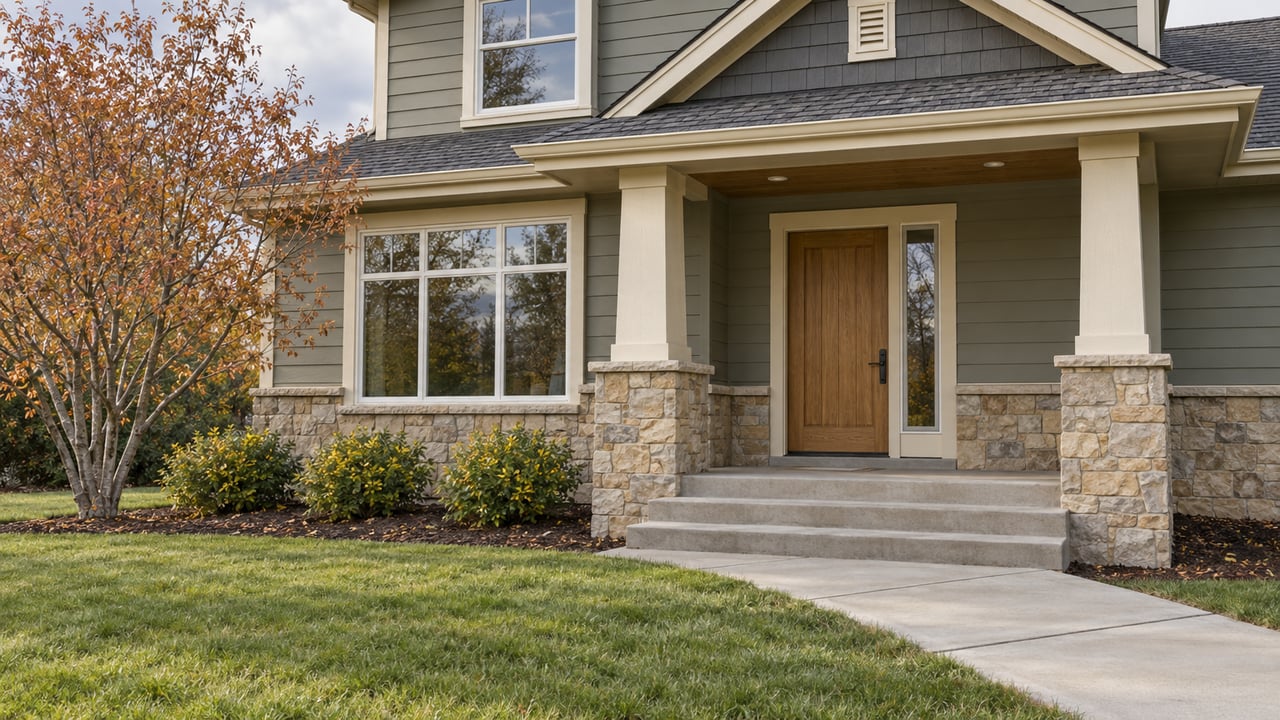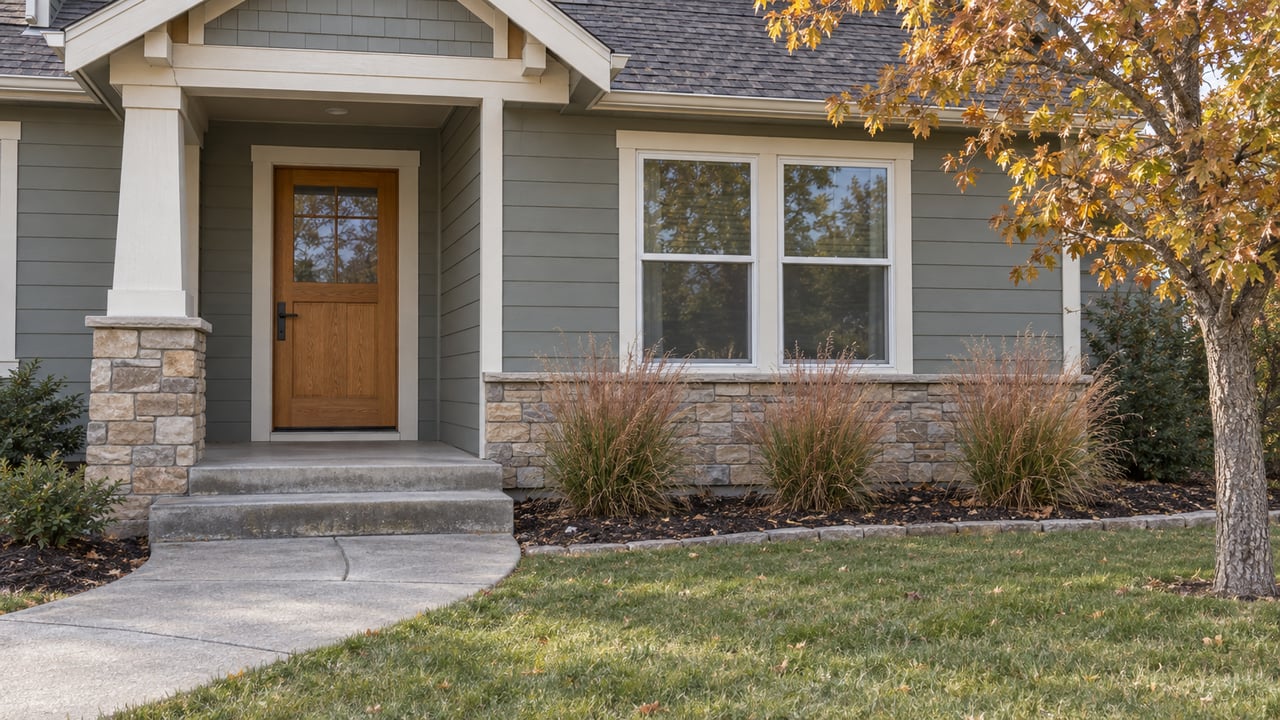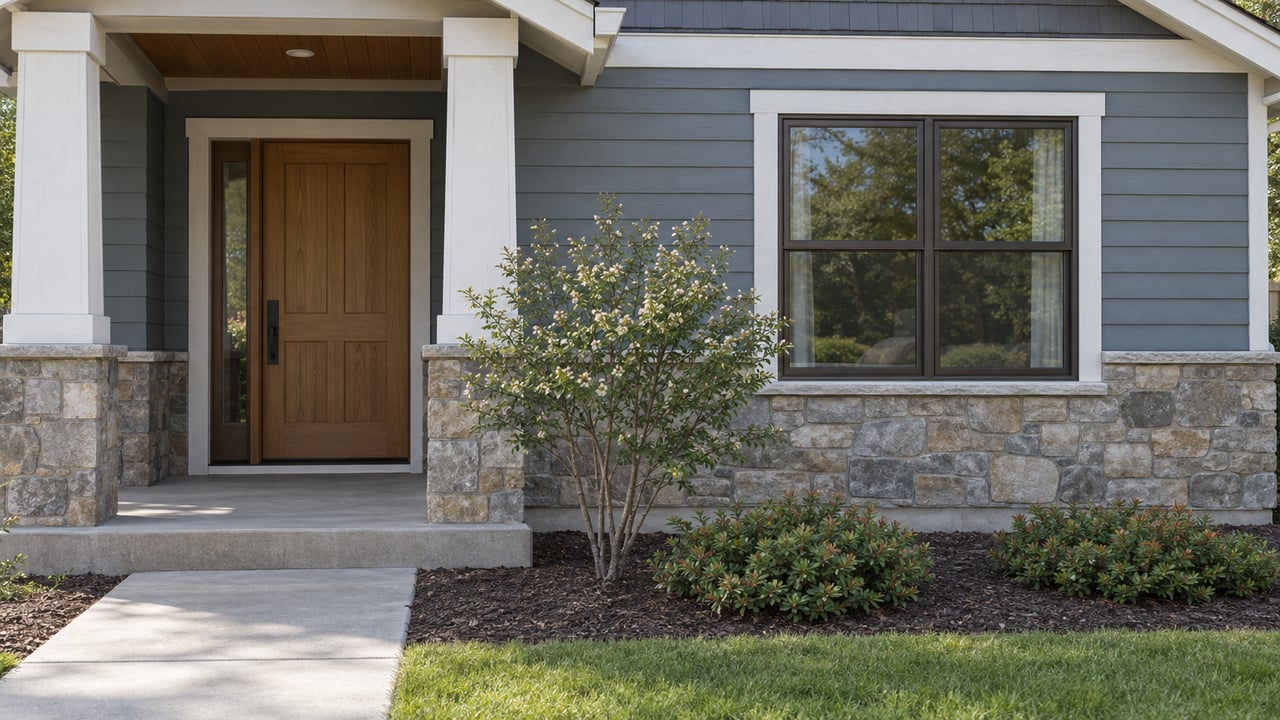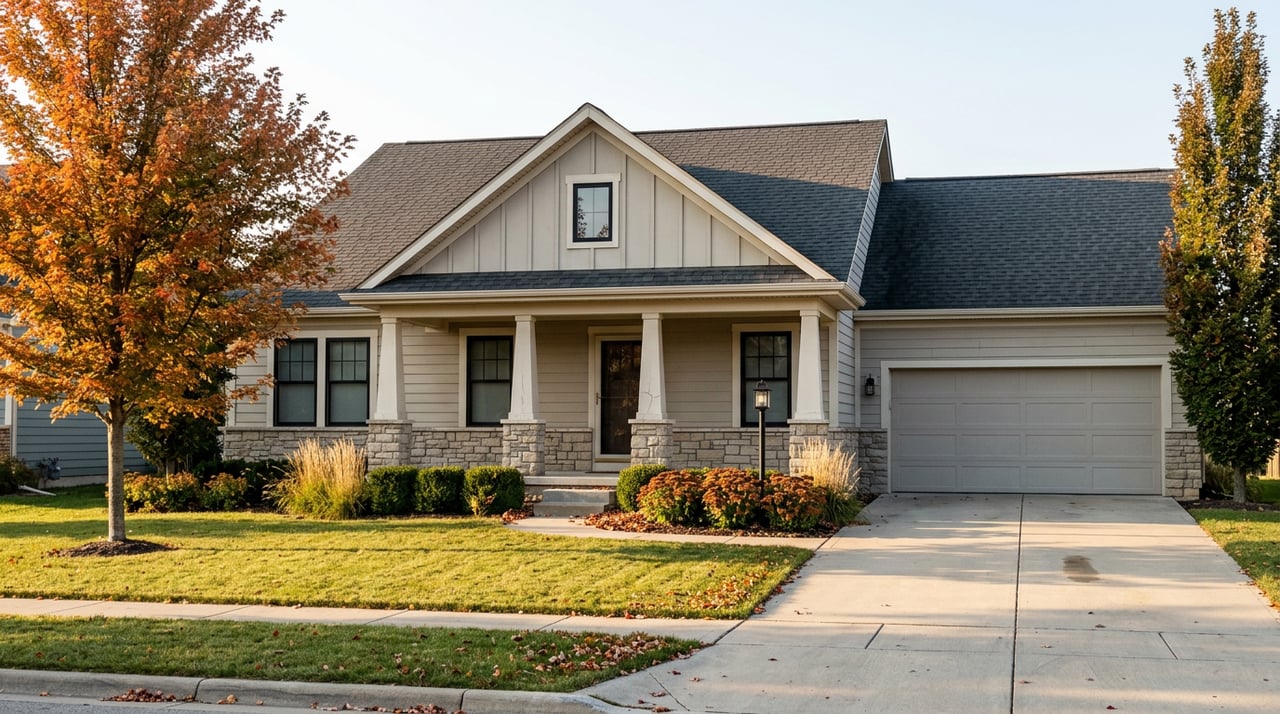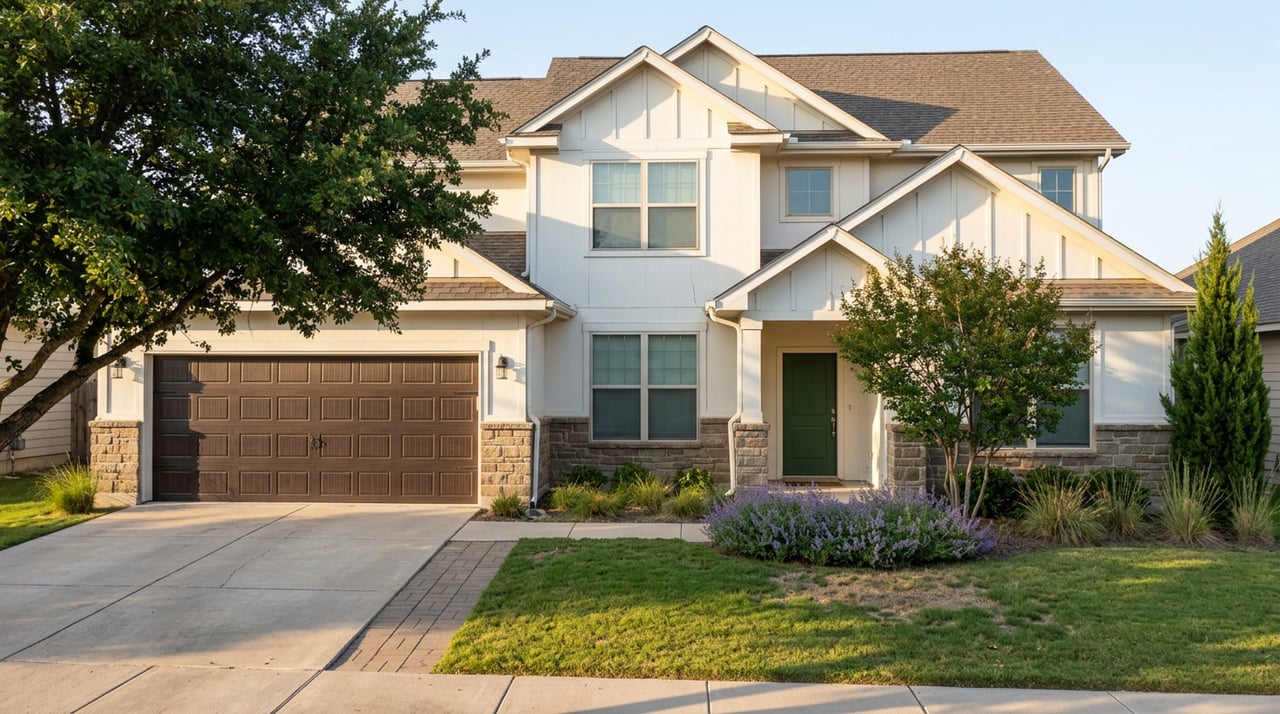
Ask anyone selling a home in Lewis Pointe whether the neighborhood has an HOA, and you'll get a confident no. It's right there on the neighborhood's own governing FAQ. Then ask why a homeowner's garage door swap got denied at a board meeting last summer, or why a paint color needed a second look from a group most owners have never met in person. Those examples point to two things buyers should check: who enforces exterior rules and how shared costs are collected.
Lewis Pointe doesn't have a homeowners association in the traditional sense. What it has instead is the Lewis Pointe Metropolitan District, a unit of local government that does most of what an HOA would do, with costs collected through property taxes rather than a monthly HOA invoice. If you're buying, selling, or just trying to compare Lewis Pointe against another Thornton subdivision with a conventional HOA fee, that distinction is the thing worth understanding before you sign anything.
What "No HOA" Actually Means Here
A metropolitan district is a special district formed under Title 32 of the Colorado Revised Statutes. A developer creates it to finance and maintain public infrastructure, roads, water and sewer lines, parks, drainage, and the district repays that work over time through a mill levy collected with your property taxes rather than an invoice you write a check for every month.
Lewis Pointe's district was organized under a service plan adopted in 2008, according to the district's own posted records. The Lewis Pointe Metropolitan District's financial page says the board adopts a budget each December and sets next year's property tax rate based on the assessed value the Adams County Assessor certifies. That mill levy shows up as a line on your county tax bill, not as a separate HOA statement. The district's levy is separate from any HOA fee a particular home may also carry.
The Board Still Says Yes or No to Your Front Door
The district's own FAQ page is direct about this: there is no official homeowners association, "there are active Covenants, Conditions and Restrictions, as well as Design Guidelines" for the neighborhood, enforced by the district board. This isn't theoretical. The board's July 2025 meeting agenda included a covenant enforcement discussion with two named appeal items: a garage door denial and a paint denial. Somebody wanted to change an exterior finish, the board said no, and that resident appealed.
Regular board meetings happen on Mondays in February, May, July, September, and November, with the exact date set annually. If the district's website ever goes down, Colorado's public meetings law requires the board to post notices at a physical location instead, and the one on file is the southwest corner of 144th Avenue and Holly Street. That's a working piece of local governance infrastructure, not a formality.
This matters for anything touching your home's exterior. Thornton declared a Stage 1 Drought effective March 15, 2026, aimed at cutting outdoor water use, and the district has flagged it on its own site. If that pushes you toward a turf swap or a xeriscape conversion, the same design guidelines that decided a neighbor's paint color and garage door will likely have something to say about your landscaping change too. Ask before you dig.
How HOA Fees and District Taxes Differ
Search a few real estate sites for Lewis Pointe and you'll sometimes find an average "HOA fee" quoted around $55 a month for single-family homes in the subdivision. Set that next to the district's own statement that there is no official homeowners association, and you have a distinction worth checking for the specific home.
The likely explanation: a handful of Lewis Pointe's paired and townhome products carry their own small sub-association for shared walls, shared roofs, or a shared lawn strip, layered separately on top of the metropolitan district rather than instead of it. Being inside a metro district and inside a small HOA are two different memberships with two different sets of obligations. Neither tells you anything about the other. A $55 monthly figure, where it applies at all, covers a narrow slice of shared maintenance for a specific product type. It says nothing about the mill levy funding the roads, parks, and drainage the entire district relies on. That levy appears on your county tax bill, not in a line labeled "HOA."
If you're comparing a Lewis Pointe listing against a home in a neighborhood with a straightforward $60-a-month HOA and no metro district, you're not comparing equivalent costs. Account for the district's property-tax levy as well as any separate HOA fee.
What Actually Has to Land on Your Desk Before You Sign
Colorado law treats this distinction seriously enough to require paperwork, and the paperwork differs depending on whether you're buying a resale or a home from its original builder.
Mile High Title Guy explains that, for any sale closing on or after January 1, 2024, an owner selling property inside a metropolitan district organized after January 1, 2000, has to give the buyer the district's official website. Lewis Pointe's district clears that bar easily with its 2008 organization date. Because the district has existed since before August 7, 2013, it's also required to have a disclosure document recorded with the Adams County Clerk and Recorder, naming the district and stating what it's authorized to do. That recording sits in the county's records tied to the property itself, which means it's discoverable during a title search regardless of what a seller remembers to hand over.
New construction carries an additional layer. Otten Johnson explains that a 2022 Colorado disclosure law requires sellers of newly constructed homes inside a metro district to deliver, before or at contract signing, specific information on the district's debt, its maximum mill levy for debt service, whether an operations levy sits on top of that, and a current county assessor's property tax certificate so the buyer can see the full tax picture. That requirement applies only to the first sale of a newly built home, not to a later resale between two homeowners.
| Requirement | Resale (owner to buyer) | New construction (builder's first sale) |
|---|---|---|
| District's official website disclosed to buyer | Required for closings on or after Jan. 1, 2024 | Required |
| Disclosure document recorded with Adams County | Already on file, since district predates the 2013 cutoff | Already on file |
| Mill levy caps, debt terms, and current tax certificate delivered before or at contract | Not required by the 2022 statute | Required |
Lewis Pointe has homes built across different phases, including newer construction still finishing out. If you're buying an older resale, expect the website disclosure and the recorded document, but don't assume you'll automatically receive the detailed mill levy and tax certificate packet the newer-construction buyer down the street gets by law. Ask for it anyway. If you're buying new construction, that packet should already be part of your contract file, and it's worth reading before you sign rather than after.
What This Means for Your Number at Closing
Two calendar facts are worth keeping in view if you're closing in 2026. CL Property Search reports that Adams County mails Notices of Valuation by May 1 each year, with an appeal window running into early June. Colorado reappraises property in odd-numbered years, so the value set in the 2025 notice is the same figure driving both 2025 and 2026 tax bills. If you're closing on a Lewis Pointe home this year, the tax estimate your lender is escrowing against is built on that 2025 valuation, not a fresh number, which is worth confirming rather than assuming.
The district itself sets its mill levy every December for the following year, based on that certified assessed value. If you want the actual current rate, the district's own budget and mill levy resolution are posted on its site, and the county assessor and treasurer can confirm the figure tied to a specific parcel. That's the source to check for the district tax charge rather than a portal's average HOA fee line.
None of this is a reason to avoid Lewis Pointe. It's a reason to read the disclosure packet carefully, ask what type of shared-cost structure applies to the specific home you're looking at, paired, townhome, or single-family, and confirm the district's current mill levy rather than relying on a fee comparison that may be describing a different obligation entirely.
If you're buying or selling in Lewis Pointe and want someone to walk through exactly what's owed, what's disclosed, and when, that's the kind of detail work Jackie Roacho handles for clients every day. Schedule a free consultation and let's go through your specific address before you're staring at a closing disclosure with any remaining questions.
This article is general information, not legal, tax or financial advice. Consult a qualified professional about your situation.